A Year-Long Investigation · 2026
WTF
Theory of Mind
A year of research toward a peer-reviewed academic paper and a book, built from the stories, the one-on-ones, the whole system, and every WTF moment the field has been allowed to ignore. The WTF Theory of Mind.
From the existing work


Chapter One
Why This Exists
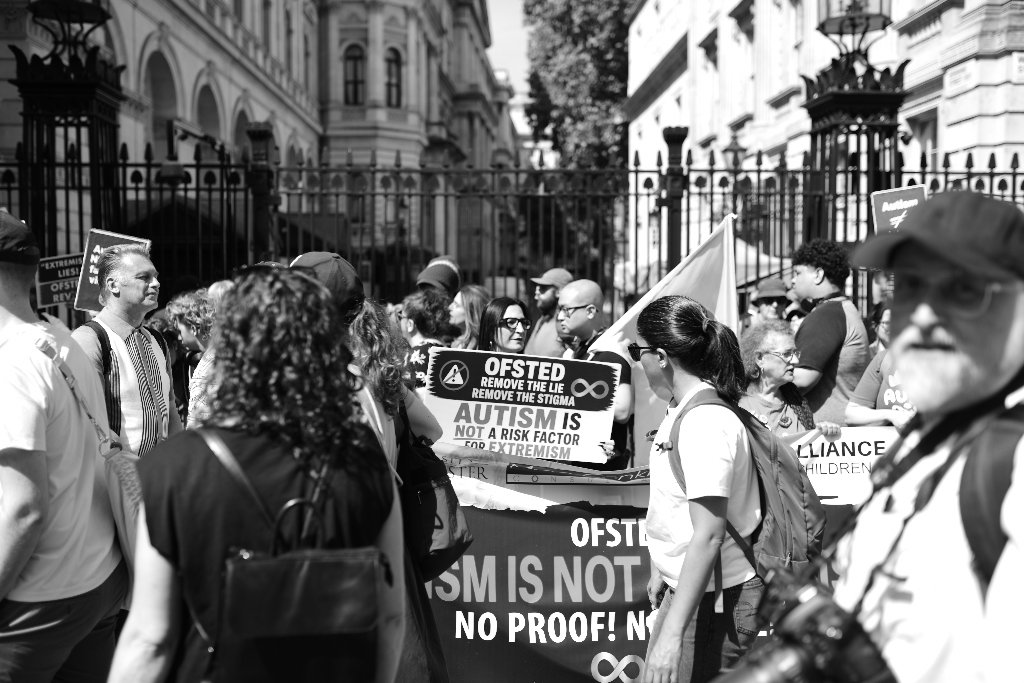
A therapist in a room full of parents said that autistic people do not have insight. She said it as settled fact. Nobody in the room questioned it. I asked her to say it again. She did. There is no point asking him, she said, meaning my son. He is autistic. Autistic people do not have insight. The four other professionals in the room looked at me for questioning it, not at her for saying it.
That was one room, one afternoon.
Then the news arrived. One of the people who built Theory of Mind forty years ago stood in public and said that a well-known autistic adult could not really be autistic. Not because he had been reassessed. Because he spoke too clearly, too warmly, too fluently. Somebody who communicates that well, she said, could not be autistic.
The same rule. The same direction. One room and one therapist applying a stamp. One of the theory's architects applying it at the scale of a public diagnosis, to a man she had never assessed, because his fluency didn't match what the theory had decided fluency was supposed to mean.
These are the moments that created this book. And the moments have not stopped arriving.
The Title
Both things at once.
WTF Theory of Mind is what it sounds like. A WTF to a forty-year theory and every WTF moment it has produced along the way. Every room where the theory was applied as a stamp before the person in it had been properly listened to. Every report that wrote a child off before the child had been asked. Every parent told their account does not count. Every autistic adult told their fluency disqualifies them.
But the hope, the actual hope running underneath this entire year of research, is that by the end of it WTF Theory of Mind becomes something more than a response. That it becomes a theory in its own right.
The WTF Theory of Mind Theory.
A theory named after the frustration that made it necessary.
Chapter One and a Half
It Was Never About Insight
The real question is not what an autistic person can or cannot understand. The real question is what stops and what allows. What permits a capacity to become visible, and what blocks it from doing so. That is Permission Architecture, and it is the framework that the next year of research will keep returning to, because it is a more accurate description of what is actually happening than a deficit model ever managed to be.
You place an IQ test in front of an autistic person. They are not interested in your IQ test. They are watching you. Not directly, because direct is not always the most efficient angle, but they are watching everything about how you hold the paper, how you explain the instructions, what you do with your hands when you are waiting, what the room smells like, what you actually think of them.
And you are writing down that they seem distracted.
This is a WTF moment wearing a clipboard.
The Surgeon Problem
A deficit with a scalpel.
A parent in the room hears that autistic people do not have insight and quietly thinks: I have insight. Therefore I am not autistic. This is not accidental. This is the mechanism. The claim creates a line and places the listener on the safe side of it.
Now imagine that parent is a surgeon. Twenty years reading rooms, reading patients, reading situations at speed under conditions where being wrong costs someone their life. They have insight in quantities that would make most people's heads swim. They also, as it turns out, are autistic.
A surgeon who is autistic is not a deficit with a scalpel. They are a person whose permission architecture happens to allow extraordinary precision under structured high-stakes conditions, which is exactly what surgery is, and who may find an unstructured social gathering after the shift genuinely harder than the operation that preceded it.
That is not a small gap in the theory. That is the theory's entire direction being wrong.
Chapter Two
The Journey Is the Research
This is not a book that was written and then researched. The research is the book. The year ahead is the book. The Introduction has already been written. The thesis has already been built, Permission Architecture, the Striatic Veto, forty years of Theory of Mind examined chapter by chapter. That work is done. It sits finished.
And then more people arrived, and more WTF moments arrived with them, and the investigation is not finished. Every conversation, every observation, every person who shows me something the theory cannot account for without tying itself in knots, that is the book continuing.
Theory of Mind was built by researchers watching from outside. Labs. Designed tests. Conclusions about inner lives drawn from the outside in. This research goes the other way. Into rooms, conversations, interviews, testimonies. Into the accounts of autistic people about their own experience, treated as primary evidence, the thing the theory was always supposed to be able to explain and has, for a long time, been allowed to fail to explain without consequence.
Their experience is the data. The WTF moments are the data. The gap between what the theory predicts and what actually happens in a room with a real person is the data.
That gap has been accumulating for forty years. This year, it gets documented.
The Year Ahead
How the research builds.
The Literature
Theory of Mind is a field, and a field has to be read seriously before it can be challenged seriously. Finding the voices within it who have been asking the same questions, and carrying their thinking further.
The People
Autistic people who show something the theory does not predict. Parents told their child has no insight by someone who never listened. Professionals who quietly know what they observe does not match what they were trained to believe.
The Observations
One-on-ones, the whole system, the rooms where the theory is applied as a stamp. Every WTF moment documented and placed alongside what the field currently claims.
The Paper
A peer-reviewed academic paper asking whether the people who built Theory of Mind ever had enough access to autistic inner life to describe it accurately, and a book that is the journey through the year.
Chapter Three
Where It Ends
The book ends with an academic paper.
A year of investigation. The people, the literature, the observations, the WTF moments documented and placed alongside what the field currently claims. The paper asks whether the people who built Theory of Mind had enough access to autistic inner life to describe it accurately. Whether a theory built by researchers watching from outside was ever tested against what is actually happening on the inside.
The year of research is the answer in progress. The book is the journey through it. The paper is where the answer lands.
Get Involved
Be part of the research.
This year of research is built from people. If something here is yours, a story, a WTF moment, an observation the theory never accounted for, a question you've been carrying, I want to hear from you.
Autistic people, parents, professionals, researchers, students: your experience is the evidence this work is built on. Whether you want to share an account, be interviewed, read drafts, or follow the research as it develops, get in touch.
Your details are kept private and used only for this research. You can ask to be removed at any time.
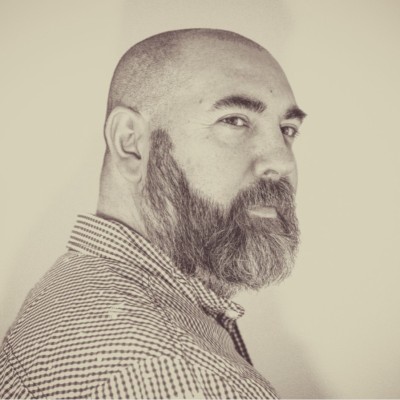
The Researcher
Nathan Azopardi
Creator of the thesis Permission Architecture and the Striatic Veto. Founder of The Sessions, Brilliantly Unbalanced, The School of Abnormal, and Understanding Burnout. This investigation is built across all four.
Support the Investigation
Donate directly below, or visit the full campaign page.